Articles
May 29, 2026
Keep moving without joint pain: how joint therapy helps osteoarthritis
Wear and tear, arthritis, osteoarthritis, joint breakdown — all common terms for degenerative joint disease (DJD), the loss of cartilage that cushions joints, often affecting the knees, hips, shoulders, hands and spine. Regardless of what you call it, 58.5 million people in the United States have some form of DJD.
Joint health therapy specialists can help manage joint disease with proven methods. Seeking expert care is key to helping you move with confidence. If you have any of the following conditions, we’re here to help:
- Osteoarthritis (commonly called arthritis or arthrosis)
- Post-injury arthritis
- Total knee replacement
- Total hip replacement
- Total shoulder replacement
- Total ankle replacement
- Bone tissue death (caused by loss of blood supply, medically called osteonecrosis)
Who’s more likely to develop degenerative joint disease
While DJD is often associated with the natural process of aging, the condition doesn’t discriminate and symptoms often start in people between their 40s and 60s. Injury, genetics and obesity can cause earlier onset.
Anyone with jobs involving repetitive joint use, such as heavy lifting or prolonged kneeling, has an increased risk of joint disease, as do women or those who are sedentary or have low physical activity.
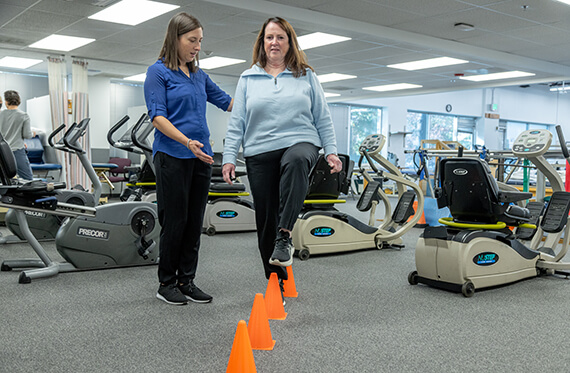
When rubber meets the road — joint wear and tear
If you think about tires on a car, joints in the body are similar.
The rubber of the tire starts out thick and with the proper tread to handle the surfaces the car encounters. As more and more miles are traveled — or as a human walks, runs and bears weight regularly — cartilage, like rubber on the tire, wears thin.
As the rubber disappears, you drive on the bare metal rim, damaging the car. Similarly as cartilage wears away, inflammation, stiffness, discomfort and weakness follow, often leading to changes in movement that can cause pain in other areas of the body.
Whether cars or the human body, regular maintenance delivers the best performance. Taking care of your joint health early helps keep you moving effectively and enjoying the miles ahead.
Common signs of joint disease
What does osteoarthritis or joint disease feel like? Here are some early signs that may prompt a formal assessment for degenerative joint disease.
- Joint stiffness lasting longer than 30 minutes, especially in the morning or after sitting for long periods
- Joint pain or discomfort that feels achy or sore
- Noticeable swelling at the joint (may be inflamed or warm)
- Reduced motion or flexibility
- Instability
- Grinding sensation or clicking and cracking when a joint moves
- Weakness
Symptoms can look different for each person. In the early stages of disease, individuals may notice pain with activity that is relieved at rest. As it progresses, DJD may come in flare-ups — periods of pain that last days to weeks but then disappear. In later stages, the condition makes itself well known through consistent pain and limited movement.
Interventions for joint disease
Management of osteoarthritis in the early stages, focuses on education, exercise, weight loss and assistive devices to support safe movement. This stage includes ice and rest with physical and occupational therapy to support good lifestyle habits without medication use.
Fun fact: There are only three things most major medical associations agree on for early management of osteoarthritis:
- Weight management
- Patient-centered care and education
- Therapeutic exercise
As disease progresses, medical management includes topical nonsteroidal anti-inflammatory drugs (NSAIDs) and capsaicin creams that help reduce localized pain without systemic medication. When pain becomes more persistent or widespread, over-the-counter oral medications like NSAIDs and acetaminophen are used. Prescription medications are a final resort in this stage of management.
Why medications? Research indicates prescription-strength NSAIDs can significantly improve pain relief and function. There is a balance. Taking medications over a prolonged period presents risks of gastrointestinal upset and abdominal pain. Finding what is right for you physically through open conversations with your medical and rehabilitation experts is encouraged as you work through your joint pain journey.
The next stage of disease includes stronger injectable medications (cortisone, gel, platelet-rich plasma) alongside movement.
When pain is controlled, movement can continue, so whether you are exercising, moving through life or working on a physical and occupational therapy treatment plan, the use of medications and injectable treatments help maintain progress and keep joint disease in check.
The first three interventions fall into conservative management and are the foundation of arthritis care. For optimal results, physical and/or occupational therapy are added to maintain current abilities or to progress through flare-ups. Better outcomes result when joint health therapists can intervene with safe and proven movement methods, as well as education and support.
The final phase of intervention includes surgery — partial or total joint replacement of the hip, knee, shoulder or ankle. This is typically done when all other strategies are no longer effective and in close consultation with orthopedic surgical and rehabilitation experts. Even then, your physical and occupational therapy experts are with you in every step to restore movement.
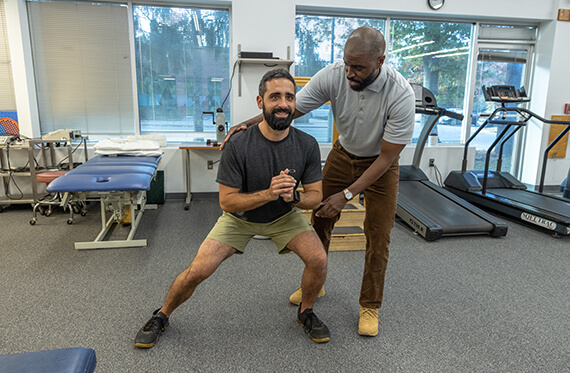
Joint disease management with a proven joint health therapy program
Starting a rehabilitation program focused on long-term benefits early may help to preserve joint health, reduce pain and maintain mobility. The sooner you begin intervention, the greater your chance for success.
Peaks and valleys of symptoms are part of joint disease and having a rehabilitation specialist and comprehensive care plan can be the difference in how the condition impacts your life.
Early intervention
Arthritis can develop in any joint, but is most common at the knees, hips or hands. Small symptoms matter and shouldn’t be ignored. When symptoms start, speaking to a medical provider and/or rehabilitation experts helps you get ahead of joint disease.
During the early intervention stage, your joint health therapist gets to know you and your movement goals to maintain function and slow disease progression.
Conservative management
While joint disease is not curable, treatment plans that include movement as medicine are within reach. Conservative management of arthritis helps maximize the efforts of physicians involved in your care.
Joint health experts perform assessments and baseline measurements to track disease progression or treatment progress. Therapists work with you to create an engaging and active care plan that meets you where you are and gives tools for the future.
This stage of care expands the benefits of prescribed medications and injections or, in some cases, can be a step to make you less reliant on medications.
Prehabilitation/pre-operative care
When joint disease progresses to the point of surgery, joint rehabilitation experts are your guide. Joint replacement is a life-changing procedure and therapists help prepare you both mentally and physically, including what to expect during recovery and beyond.
Prehabilitation is a proactive approach to joint replacement surgery. It involves structured, pre-operative interventions aimed at improving your physical condition before surgery takes place. Through a series of appointments in the weeks before the actual procedure, you’ll build up strength, flexibility, balance and endurance, giving you a “stronger in, stronger out” approach to surgery.
Similar to prehabilitation, but different, a pre-operative visit also prepares you for surgery. This one-time meeting happens a few weeks prior to a joint replacement procedure and sets post-surgery recovery expectations, reviews post-operative mobility safety and addresses any questions. Included is instruction on proper cane and walker use, tips for managing pain, home safety, as well as safe stair navigation and transfers (bed, chair and bathroom) during recovery.
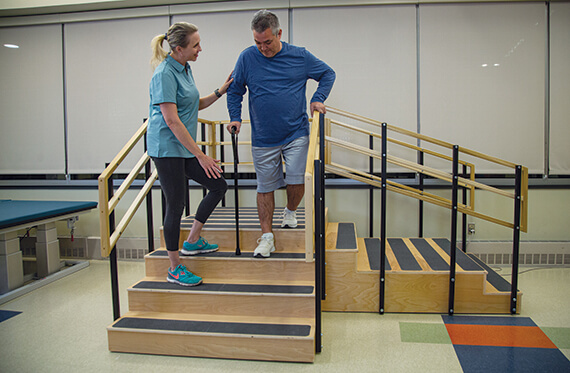
Post-operative care and recovery
After a joint replacement, trained joint health therapy experts guide you in recovering strength, motion, balance and independent function through structured exercises. The frequency and total length of post-operative rehabilitation varies from patient to patient based on starting strength, progress and goals. Those who opt for prehabilitation strengthening prior to surgery may experience quicker recovery times after surgery.
Booster visits
Throughout the entire joint health therapy journey, booster visits give you what you need to stay on track. Booster visits are structured, follow-up rehabilitation sessions between various stages of joint disease. These “check-ins” allow you and your therapist to identify shifts in flexibility, strength and balance, addressing them before they become bigger issues in movement.
Booster visits can happen as many times as needed, but it is recommended that an annual visit with a joint health therapist takes place to compare current measurements against those taken at the beginning of treatment to note areas of progress or decline. These decision points give you power over the disease.
Debunking myths
MYTH: Rest is best for joint pain, exercise will make it worse – FALSE
Movement is medicine. Giving in to the idea of “my joints hurt so I’m going to rest” actually does more harm than good.
The benefits of continuing movement are many.
- Joint pain reduction and lubrication: exercise is a natural lubricant for joints, increasing blood flow to cartilage, delivering nutrients needed to keep them healthy
- Stronger muscles equals better joint support: strengthening the muscles surrounding affected joints supports, stabilizes and reduces burden on the actual joint structure, particularly in the knees and hips
- Improved mobility and reduced stiffness: regular physical activity helps to counteract stiffness, especially in the morning or after resting
- Cartilage health: movement helps to feed cartilage with joint fluid, keeping cartilage cells healthy
- Weight management: exercise burns calories, reduces weight and pressure on the joints and helps decrease inflammation throughout the body
Physical activity is recommended for joint disease including movement focused on:
- Low-impact aerobic activity, either land-based or aquatic
- Strengthening
- Flexibility
- Range of motion
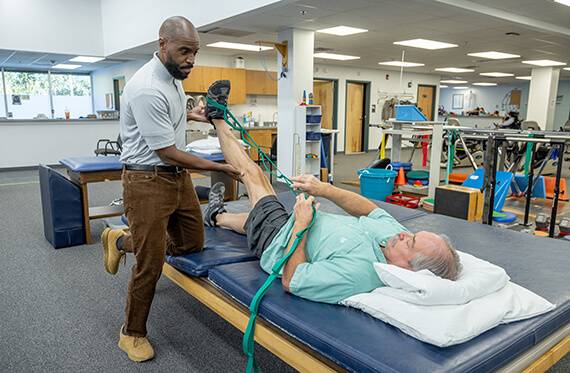
MYTH: Weight doesn’t matter – FALSE
When it comes to weight, it’s not a matter of appearance or societal norms. The very real fact is that any extra weight puts pressure on the joints. Losing weight can reduce pain and the risk of developing or worsening osteoarthritis.
Losing just one pound of weight reduces:
- Four pounds of pressure at the knee
- Five-to-six pounds of pressure at the hip
- Four-to-six pounds of pressure at the ankle
Take the first step
Your joints carry you through every step of life, and caring for them starts now. No matter where you are in your journey, taking action through movement, education and expert care can make a meaningful difference.
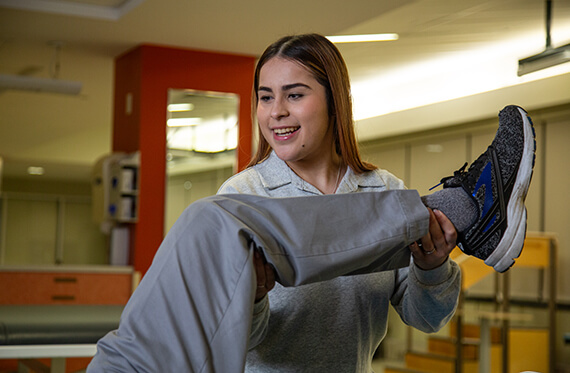
Don’t wait for pain to define your limits — take control of your joint health and keep moving forward.
Clinical contribution to this blog provided by Erica Fritz Eannucci, national director of the comprehensive degenerative joint disease program and Physical Therapist Michael Kornick.