Articles
May 27, 2026
Bladder cancer: What to do if diagnosed and why physical therapy is a natural, post-treatment fit
It is an under-the-radar cancer, if there is such a thing.
An estimated 85,000 cases of bladder cancer will be discovered in the United States in 2026, representing 4% of all new cancer diagnoses, according to the National Cancer Institute.
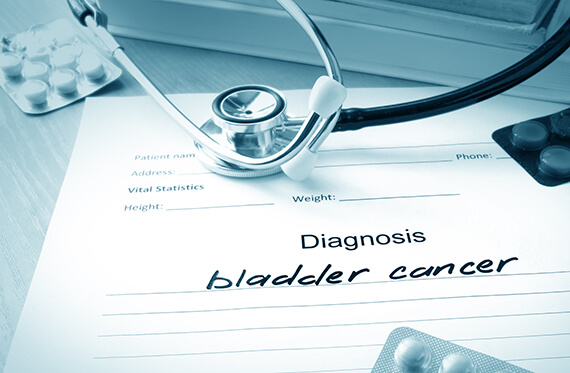
Bladder cancer is the sixth most common cancer among Americans, with more than 750,000 living annually with the disease.
Yet it’s not discussed nearly as much as the others in the top 10. Why is that?
First, if caught early, the survival rate for bladder cancer is extraordinary. If the cancer is contained in the inner lining of the bladder and has not invaded muscle, patients have a 98%, five-year survival rate, according to cancer institute statistics.
If it does advance to within the muscle of the bladder but remains localized, the five-year survival rate for bladder cancer drops to 73%, still relatively high in comparison to most other common cancers.
Secondly, the other reason for bladder cancer’s low profile: The bladder, itself, is an underappreciated organ. It’s considered more of a reservoir, a holding place, than a vital part of the human body. Yet it serves a critical role in keeping the body chugging along.
Located in the lower section of the abdomen, the bladder’s primary function is to store urine before it is released through the urethra. It also assists in the process of releasing that urine from the body.
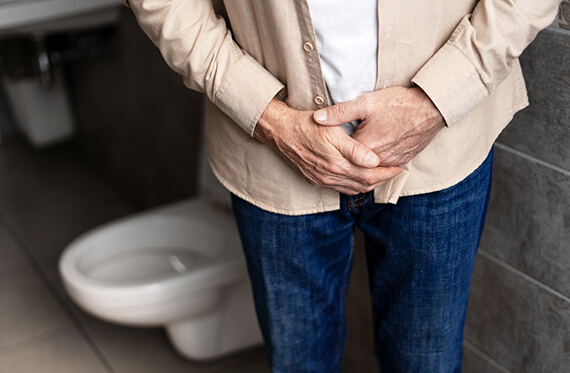
If the bladder isn’t working correctly, urine retention, incontinence/leaking and pain during urination or in the lower abdomen may occur – as well as potentially creating complications with the kidneys and other organs.
Bladder cancer treatment depends on location, aggressiveness and size, and can include surgery, chemotherapy, radiation or injection. Each comes with its own set of potential side effects. Addressing those immediately and effectively is where physical therapy can make a difference for the bladder cancer survivor.
What to do when you receive a bladder cancer diagnosis
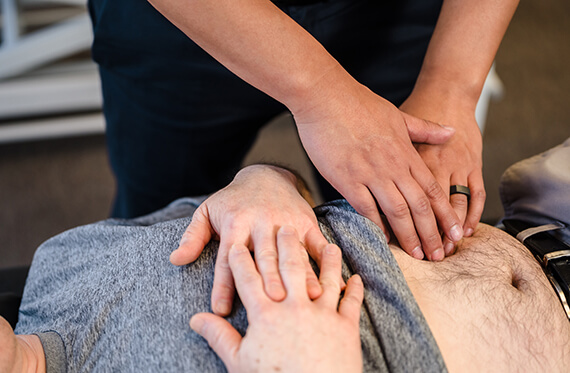
Once you are diagnosed and your physician has chosen a plan of care, there will be a brief waiting period before treatment begins. That’s the perfect time to make an appointment for physical therapy “prehabilitation” and to be educated on what to expect and how to prepare for bladder surgery or chemotherapy/radiation.
Side effects of any cancer treatment or surgery may include changes in appearance. But there are less visible effects that can delay recovery, such as loss of balance and dexterity and the emergence of neuropathy, nerve damage that causes numbness and tingling in the hands and feet.
Going to prehabilitation – even if it is for one session – can be beneficial to all cancer patients because baseline measurements will be taken to gauge strength, mobility, dexterity and swelling risk, among other pre-treatment benchmarks. The prehabilitation sessions for bladder cancer also includes discussions about urination, defecation and sexual function patterns – areas that could be affected post-treatment.
The information gathered in prehabilitation will be compared to post-treatment results to determine how patients have been affected and what tools they’ll need to return to previous standards. Additionally, many patients need strengthening and conditioning before having surgery and physical therapy before cancer treatment prepares the body for the changes it will encounter.
A prehabilitation appointment or two also can serve as extended information sessions for what to expect after a bladder cancer procedure. Oncologists and surgeons are well-versed in the mechanics of the treatment, but physical therapists, specifically those who specialize in cancer rehabilitation and pelvic health therapy, can detail what may be coming physically and what proactive exercises would help minimize aftereffects.
In those initial, prehab sessions that last between 45 minutes and an hour, therapists should have more time available to answer patients’ quality of life questions than cancer physicians typically have. Although most clinicians can work effectively with bladder cancer patients, it’s best to seek out those who are certified in cancer rehabilitation, pelvic health therapy, or, ideally, both.
What to expect with bladder cancer rehabilitation
There are different approaches to bladder cancer rehabilitation depending on the location within the organ, which often dictates the stage of cancer and which procedure is performed.
Possibilities include partial or complete removal of the bladder; reconstruction using part of the small intestine; and/or an ileal conduit procedure, which makes a surgically created hole (stoma) that connects to a bag outside of the body where the urine will drain.
Once a surgery or procedure is completed, it usually takes two-to-four weeks for patients to be cleared before they are typically strong and stable enough to begin outpatient physical therapy sessions.
Despite research that shows physical therapy can significantly improve mobility and fatigue in cancer patients, oncologists don’t always prescribe it. So, if your medical team doesn’t bring up physical therapy as a next step, you should start that conversation. Physicians usually are supportive of patients receiving physical therapy, it’s just not always on the forefront of their post-surgery instructions.
Oftentimes, when bladder cancer patients get to their first physical therapy session, they are still too fatigued to start a challenging exercise program. Experienced clinicians understand that. It’s possible the initial session or sessions won’t include exercise at all; that will depend on a patient’s individual condition.
The first few sessions are typically more about discovering the needs of individual patients, what they are struggling with, what their limitations are and what goals they hope to achieve. Clinicians encourage family members to attend those sessions and listen to what is being relayed.
Because of the different treatment possibilities for bladder cancer, a patient’s primary concerns can range dramatically once the procedure is completed. For instance, if a patient has had an ileal conduit procedure, one primary focus of physical therapy may be managing life with an exterior bag, getting in and out of bed with it or properly cleaning the wound created by the stoma.
More than half of bladder cancer patients will receive some form of chemotherapy – and with that often comes significant fatigue. Physical therapists, and possibly occupational and speech therapists, will help those patients navigate “chemo fog,” a tangible side effect that can cause confusion and lack of concentration.
Whether patients undergo surgery, chemotherapy or radiation, complications can arise afterward, including constipation, diarrhea, urination and sexual dysfunction – all common side effects that can be minimized or rectified by diet, nutrition, exercise, medicine and/or pelvic health therapy.
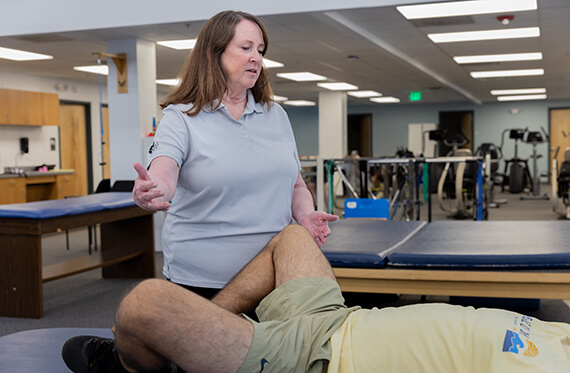
Therapists will educate patients on those options as well as properly monitoring their heart rates, both during exercise and at rest, to better understand how their bodies are coping following a significant operation or treatment.
The bottom line: Take the time and communicate with a clinician
Being diagnosed with cancer – even cancers with encouraging survival rates – is scary. The process is especially daunting if you don’t have people who can lead you through it.
That would include friends, family and, most important, a qualified medical team.
Cancer rehabilitation therapists can be a big part of that village, because it is their job, their calling, to help patients return mentally and physically from a cancer battle. They have the experience of knowing what to do. Because this process is about the patient and not the diagnoses – and every patient responds differently.
Typically, bladder cancer survivors attend one or two physical therapy sessions per week for a month or several months. It’s best when they start shortly after treatment, but sometimes patients don’t encounter long-lasting side effects for several months. It’s never too late to come to therapy and learn what to do to improve your quality of life.
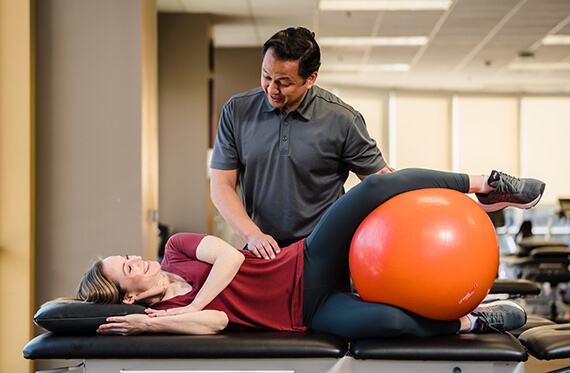
More than anything, the road back from bladder cancer – or any cancer – starts with strong communication. Explain to your team what you are feeling and what you want to accomplish.
And let that team, including physical therapists, help you reach those goals.
Clinical contribution to this blog provided by Physical Therapist Vanessa Brizeño, a certified cancer rehabilitation and pelvic health therapist.