Articles
Apr 23, 2026
The right fit: Should parents fork over cash for ‘extra’ safety gear in youth sports?
Being a parent of a youth athlete isn’t easy. There are games, practices, team drama and countless streams of money disappearing for one “essential” after another.
And those aren’t even the biggest worry involved with your child participating in a sport, whether at the youth or high school level.
That would be safety.
Parents spend a generation attempting to keep their children safe from harm. And then they helplessly sit back and watch as their kids attempt to swat a speeding projectile, thrust their heads at an airborne ball or run at full speed toward another human.
Athletes get hurt. It happens. It’s an inherent risk in pushing your body to its limits while competing against others who are doing the same.
When athletes get hurt, athletic trainersand physical therapistsare there to help prepare the road to recovery and get them safely back to their fields, courts and rinks.
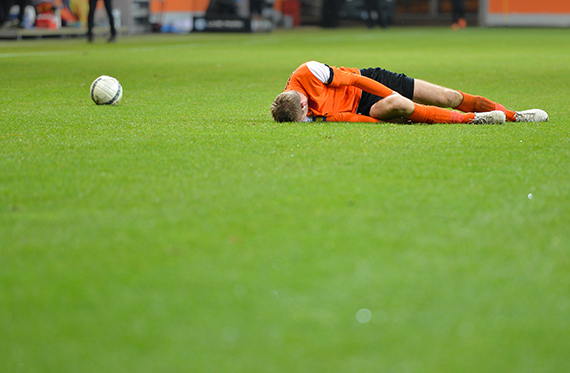
But what about before an injury occurs? What about all those products on the market designed to keep athletes safe from falls, collisions or targeted contact? How effective are they?
Well, it’s a mixed bag. There are some recent safety developments that can minimize damage. But they can also produce false confidence and, potentially, lead to further injury.
A physical therapist and an athletic trainer recently discussed what types of sports safety gear they feel are essential, and, frankly, it’s not a long list.
The reasoning is simple: Beyond the standards, such as helmets, mouth guards and body pads, equipment additions are supplemental, not essential. They may help lessen a blow, but can’t eliminate the possibility of a concussion or a broken bone.
Think of it this way: You can tape your sore ankle and wear a guard to protect it, but an explosive hit, with your leg in a certain position, can shatter your ankle anyway. Equipment safeguards are important, but they don’t guarantee anything.
One easy add for softball and baseball helmets
With that in mind, there are two relatively new products that the clinicians interviewed believe are worthy additions to the equipment bag.
In baseball and softball, our overhead sports expert suggests all batters be fitted with a mandibular (jaw) guard. They can be purchased separately and snapped onto most newer helmets or, in some cases are, manufactured as part of the helmet.
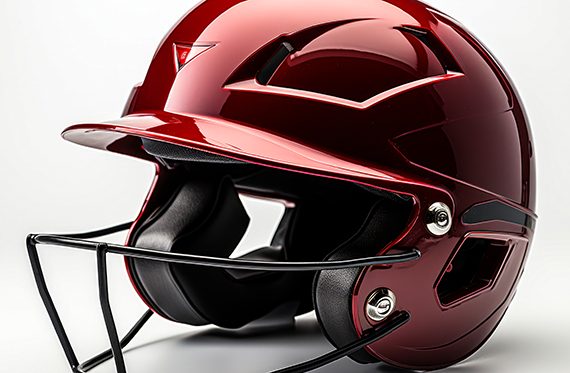
The shield’s primary purpose is to provide protection to the side of the face that is exposed to the pitcher (left jaw for right-handed hitters; right jaw for lefty batters). It stretches from the ear flap to the chin and absorbs the impact of balls hurtling toward the face, thus potentially avoiding fractured facial bones.
Mandibular guards bought separately are often reversible, meaning switch-hitters can use them against right-handers or left-handers by simply snapping the guard off one side and affixing it to the other.
Another option to protect the face and jaw is a helmet with a full facemask that connects the two sides and covers the base of the nose to the chin. These offer the same protection at the plate and are more effective than jaw guards in shielding baserunners from errant throws because they cover the full jawline. However, helmets with facemasks aren’t as sleek as the snappable guards.
And that sleekness can be alluring – especially for preteens and teens who are painfully aware of how they look while playing sports. A lot of pros use the mandibular guards and that is trickling down to the youth game.
Make sure it is a fit
There was a time not that long ago when recreational leagues had a handful of helmets for an entire team. Nowadays, ballplayers own their helmets, and that’s a good thing. Properly fitting headgear can assist in limiting serious injury.
So, parents, don’t lean toward passing helmets down a line of siblings, especially if the fit seems less than ideal, either too tight or too loose. Spend the money on a new one if you can afford it – most softball and baseball helmets cost between $50 and $100.
Given the proximity of softball pitchers– and, to a lesser extent, infielders – to home plate, experts advise wearing facemasks during practices and games to protect from line drives that could damage facial bones. Baseball pitchers above age 12 are usually 16 feet farther away from home plate than in softball, so facemasks aren’t as crucial.
Pitchers wearing caps with extra padding is another way to protect against significant blows to the head, but, again, due to the sleekness factor, it can be a tough sell for teenagers to wear oversized caps during games.
In other sports, such as football, there has been a surge in soft-shelled helmets for practices and games. Some pro players with previous concussion issues are now wearing the oversized, odd-looking headgear, which is basically a regular helmet with soft padding affixed to the outside.
It can weaken blows to the head, which is important for those with previous concussions who are susceptible to recurrences. But the only way to fully prevent sports concussions – the jostling of the brain inside the skull, often due to impact – is to stop playing altogether.
Collaring an interesting concept
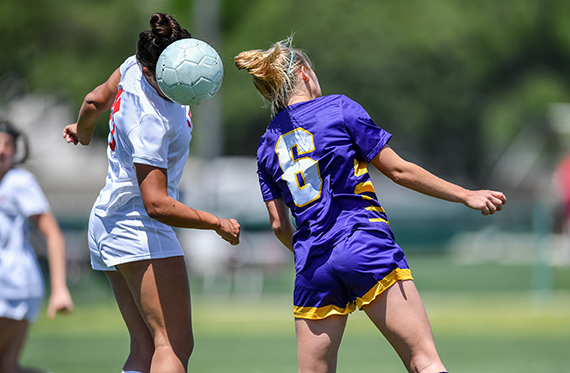
One recently introduced piece of equipment aiming to mitigate concussions is a lightweight, open-fronted, neck collar that applies minimal pressure to the jugular veins and increases blood volume in the skull.
The concept and design are rooted in scientific research: Due to the gently applied pressure, the brain has less area in which to slosh and, therefore, could minimize the concussion effect caused by head impact. Retailing for roughly $200, these “concussion collars” are becoming increasingly popular among soccer, hockey and lacrosse players.
The caution remains the same, however. Adding safety equipment to your game is not an invitation to play more recklessly. It’s similar to wearing a seatbelt while behind the wheel – it doesn’t mean you should drive faster.
No substitute for proper technique
Perhaps the best way to mitigate injuries for young athletes is to take the money that would be spent on supplemental safety equipment and instead use it for additional training. There is no substitute for using proper techniques and mechanics while practicing and playing. Tackling correctly, moving adeptly, building muscle appropriately, warming up smartly, throwing consistently.
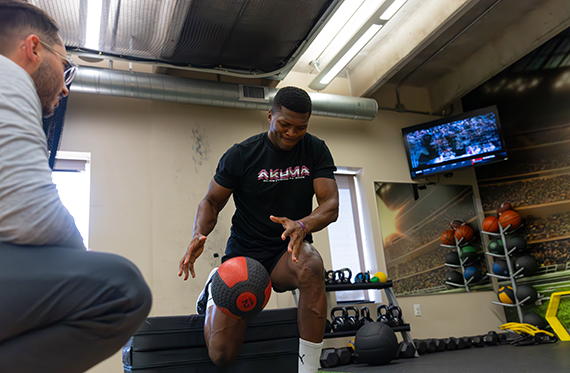
Whether it’s working with a physical therapist on a gait analysis to determine any movement abnormalities or with a certified trainer on refining intricacies involved in a particular sport, preparing your mind and body adequately is essential for athletic success.
Similarly to the equipment hunt, there are a lot of training options available. Some are better than others. So, parents should research the best fit for their children before committing to an additional expense.
The bottom line is safety should be integral in sports. Achieving an appropriate safety level, however, can be accomplished in various ways and with various tools.
Clinical contribution to this blog provided by Physical Therapist Dalton Schumer and Athletic Trainer Caitlin O’Connor.