Articles
Feb 4, 2026
Cancer Care Plus Cancer Rehabilitation – A Power Punch for Your Cancer Journey

When you receive a cancer diagnosis, your brain can go numb with all the information being shared. No doubt, it can be overwhelming. Those conversations include coming up with the best plan for you as you travel the journey of cancer.
Cancer rehabilitation doesn’t treat your cancer directly, but it does help make the most of your days, including staying active. It’s a positive addition to your cancer care plan.
Different types of cancers have different paths and side effects. Your oncologists are focused on treating your cancer and making sure it either goes away or giving you as long a life as possible. Cancer rehabilitation specialists take living to the next level by focusing on giving you the highest quality of life possible.
Let’s take a moment to answer your most common questions about cancer rehabilitation and highlight the extra benefits of investing in your health by taking part in our program.
What is cancer rehabilitation and how is it different from traditional rehabilitation services?
Rehabilitation versus cancer rehabilitation, what’s the difference? The answer is, it’s similar but different. The same benefits of traditional physical therapy, occupational therapy and speech-language pathology apply in cancer rehabilitation. The difference is the therapist’s specialized training and understanding of cancer treatments and side effects that drive your care plan.
Cancer rehabilitation takes into account the type of cancer you have been diagnosed with, the treatments offered for that cancer and what side effects are associated with each individual cancer and/or treatment.
While every patient responds differently to treatment, there are commonalities in side effects. Having a knowledgeable rehabilitation clinician on your side can help you prepare for and respond to those side effects.
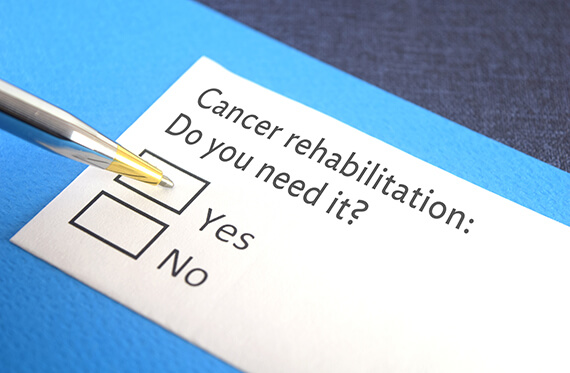
What side effects do we focus on during rehabilitation treatment?
Your cancer rehabilitation specialist is all about your function. When treatment causes fatigue, weakness, neuropathy, lymphedema or swelling, numbness and tingling, decreased range of motion or impacts the ability to do your daily activities, your therapist steps in to address those side effects with tools to help you maintain or build strength in areas of weakness.
That leads to the secondary question of: what are my treatment options and how does that look in a therapy session?
Movement is medicine. When you’re feeling well or not feeling well, our main goal is to keep you moving and help you work through anything that may be stopping you from moving. Why? Because movement inspires your whole body to feel better and, as a ripple effect, keeps you positive in attitude and coping abilities.
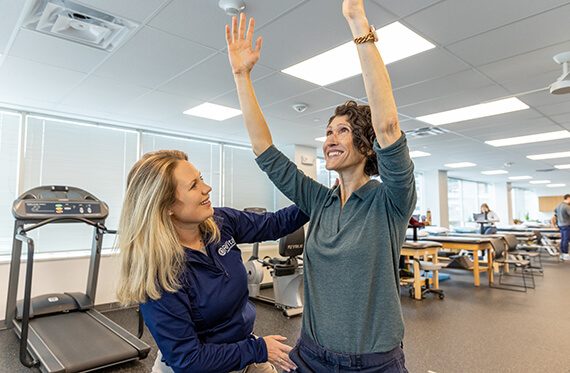
Therapists may use manual therapy to make movement easier. Movement may look like adaptation to daily or work-specific activities or specific exercises targeted to build up areas of weakness. Most importantly, your therapist serves as a guide for you during the changes as they happen. They create a “feeling good” plan of care and “not feeling so great” plan. They know you’ll have good days and bad days, but they encourage you to keep moving and functioning through your days.
What you can expect is that as a cancer rehabilitation specialist, our job is to get you the right care at the right time. That means you may work with multiple therapists during your therapy sessions. One therapist may tap into their expertise to focus on strength, while others work with you in their areas of specialty including lymphedema, pelvic health, cognitive rehabilitation and more.
Who is a cancer rehabilitation therapist?
Therapists who provide cancer rehabilitation care typically have additional specialty training. They are knowledgeable and practice the most current, evidence-based management techniques and regularly participate in ongoing education to ensure they are aware of new, cutting-edge treatments.
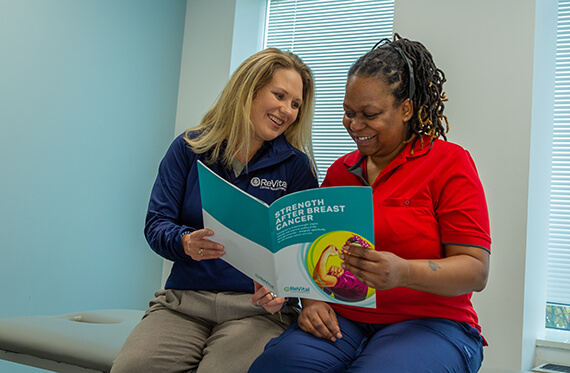
Your personal rehabilitation plan could include physical, occupational and speech therapists as well as physical medicine and rehabilitation (PM&R) physicians (specialists in using non-surgical treatment and therapies directed at pain management and improving quality of life).
Your cancer rehabilitation therapist works in partnership with your medical care team. This could include a variety of experts including medical oncologists, surgeons, radiation oncologists, social workers, nutritionists and others.
Cancer rehabilitation therapists are added experts to care for you from a whole person perspective. They are one piece of the puzzle and overall cancer care team. They bring into sharp focus your physical, psycho, social, occupational and emotional well-being as you recover from cancer treatments. Each part of the team completes the big picture.
When do I see you in my cancer journey?
You can tap into the benefits of cancer rehabilitation anytime from diagnosis through end of life. It’s never too late to add rehabilitation services to your personal cancer plan. That being said, the earlier you start in your cancer journey the greater the benefits.
For individuals who come to cancer rehabilitation right after diagnosis, your therapists get the opportunity to understand where your starting level of function is and can cater a program to your individual needs to get more movement in before treatment begins. This gives you the opportunity to proactively build strength and endurance to carry you through every step of your cancer experience.
Cancer rehabilitation therapists commonly see individuals after surgery, throughout chemotherapy and/or radiation and long term into survivorship.
Is cancer rehabilitation covered by insurance?
One of the concerns with any medical service is how therapy, treatments and specialists can be handled financially. It’s not uncommon to hear, “Will insurance cover cancer rehabilitation?” Generally, if your insurance covers traditional rehabilitation services, it also covers cancer rehabilitation. It’s always best to check with your insurance carrier but our patient service specialists can also assist you in that process.
Exploring cancer rehabilitation
You don’t need to be overwhelmed by a cancer diagnosis. Your cancer rehabilitation specialist addresses function, but also how you are coping with treatments. They serve as your personal cheerleaders. By being part of your entire cancer team, they have the unique ability to openly communicate with your oncologist and others to share when services outside of rehabilitation may be needed. In reverse, if your oncologist sees deterioration in an area of your life that can be addressed by rehabilitation, they can seek out your therapist to ask for an assessment and possible solution.
While this blog was designed to hit the most commonly asked questions regarding cancer rehabilitation, there are likely more questions on your mind for you or for a loved one.
Visit our FAQs section for more information, find a cancer rehabilitation location near you and/or schedule a one-on-one consultation appointment with one of our experts today.
Let our cancer rehabilitation specialists help you achieve your goals so you can thrive, not just survive.
Clinical contribution to this blog provided by Physical Therapist Alaina Newell, director of education for our ReVital Cancer Rehabilitation program.